All Guides/neighborhoods
neighborhoods · 3 min read
Sol & Centro Guide: Madrid's Kilometre Zero
What's actually in Madrid's historic centre — Puerta del Sol, Plaza Mayor, and why it's the right base for a first visit even though almost nobody who lives in Madrid eats there.
By Get Madrid · Updated October 10, 2026
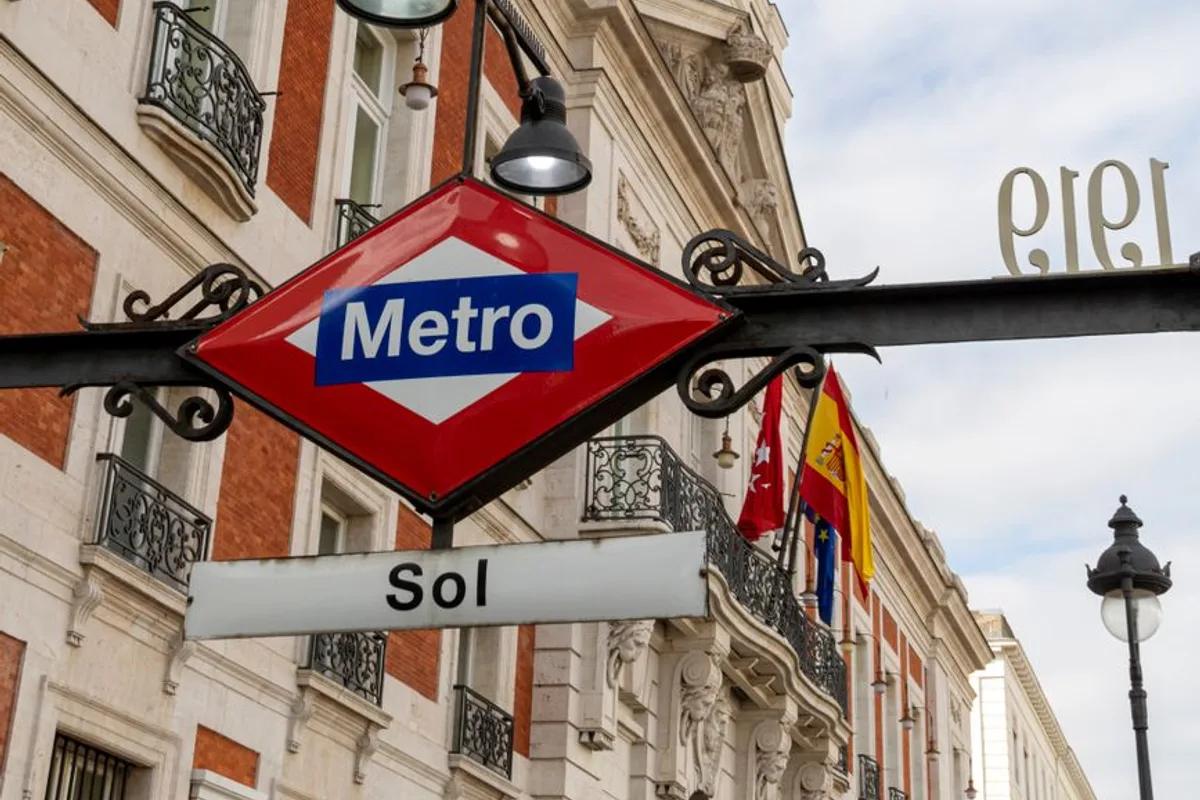
Kilometre Zero
Every road distance in Spain is measured from a plaque in Puerta del Sol, which tells you most of what you need to know about this neighbourhood's role: it's the geographic and symbolic centre of the city, not a quiet place to linger. Sol and the surrounding grid — Plaza Mayor, the old Habsburg quarter, Gran Vía's southern end — is where Madrid's major sights, biggest crowds, and most convenient transport all overlap.
That combination is exactly why it works as a base, and exactly why it's not where most locals actually eat and drink.
Why Stay Here
Nowhere else in Madrid puts you closer to more of the things a first-time visitor has come to see: the Royal Palace and Almudena Cathedral a short walk west, Plaza Mayor and the old town immediately south, Gran Vía's shops and theatres to the north, and multiple Metro lines (1, 2, 3 all cross through Sol station itself) converging under your feet. For a one-trip, time-limited visit, the convenience is hard to beat — see our Madrid where to stay guide for how it compares to quieter alternatives.
The trade-off: it's the loudest, busiest, most tourist-priced part of the city, especially right around Puerta del Sol and Plaza Mayor itself. Noise and foot traffic continue well into the night.
Eating Without Falling Into a Tourist Trap
The streets immediately off Puerta del Sol skew toward overpriced, low-effort menus aimed at footfall rather than regulars — a reasonable rule of thumb anywhere in Madrid, not just here. A few places in the centre are the real exception: Sobrino de Botín, open since 1725 and recognised by Guinness as the world's oldest restaurant, for a genuinely historic (if tourist-aware) sit-down meal; Casa Revuelta and La Casa del Abuelo for a quick, honest stand-at-the-bar tapas stop; Lhardy, an 1839 institution, for cocido and consommé served from its own silver urn at the counter; and Mercado de San Miguel, the glass-walled gourmet market by Plaza Mayor, which is unapologetically aimed at visitors but still worth a browse for the variety in one building.
Chocolatería San Ginés, open since 1894 and open absurdly late, is the classic chocolate-con-churros stop — especially useful after a night out elsewhere in the city, since it's central enough to be on the way home from most of it.
Rooftops Over the Rooftops
Several of Madrid's best-known rooftop bars sit right in this district — Azotea del Círculo, Picalagartos Sky Bar, The Hat Rooftop, Dear Hotel Rooftop, and Ginkgo Sky Bar among them — trading on views back across the old town's rooftops and the Gran Vía skyline. They get busy and some require a reservation or a cover charge at peak hours. See our Madrid rooftop bars guide for which one fits which occasion rather than picking blind.
Using It as a Base for Day Trips
Centro's transport links make it a sensible starting point for the classic half- and full-day trips out of the city — Toledo and Segovia both run from here on organised day tours, and both are reachable independently too. See our Madrid day trips guide for the independent-versus-guided trade-off.
Practical Notes
Metro: Sol (Lines 1, 2, 3) is the obvious hub; Callao, Ópera, and Gran Vía stations all sit within the same few blocks. When to avoid it: late Friday and Saturday nights around Puerta del Sol itself, when it fills with a mix of tourists, stag/hen groups, and street performers — fine to walk through, less fine to try to eat a quiet dinner in the middle of it. For the Royal Palace and Plaza Mayor themselves, see our dedicated Royal Palace guide.