MAD.NBHD
Madrid Neighbourhoods
Ten distinct districts. Ancient ruins next to coffee bars, flea markets beside Michelin stars. Choose your Madrid.
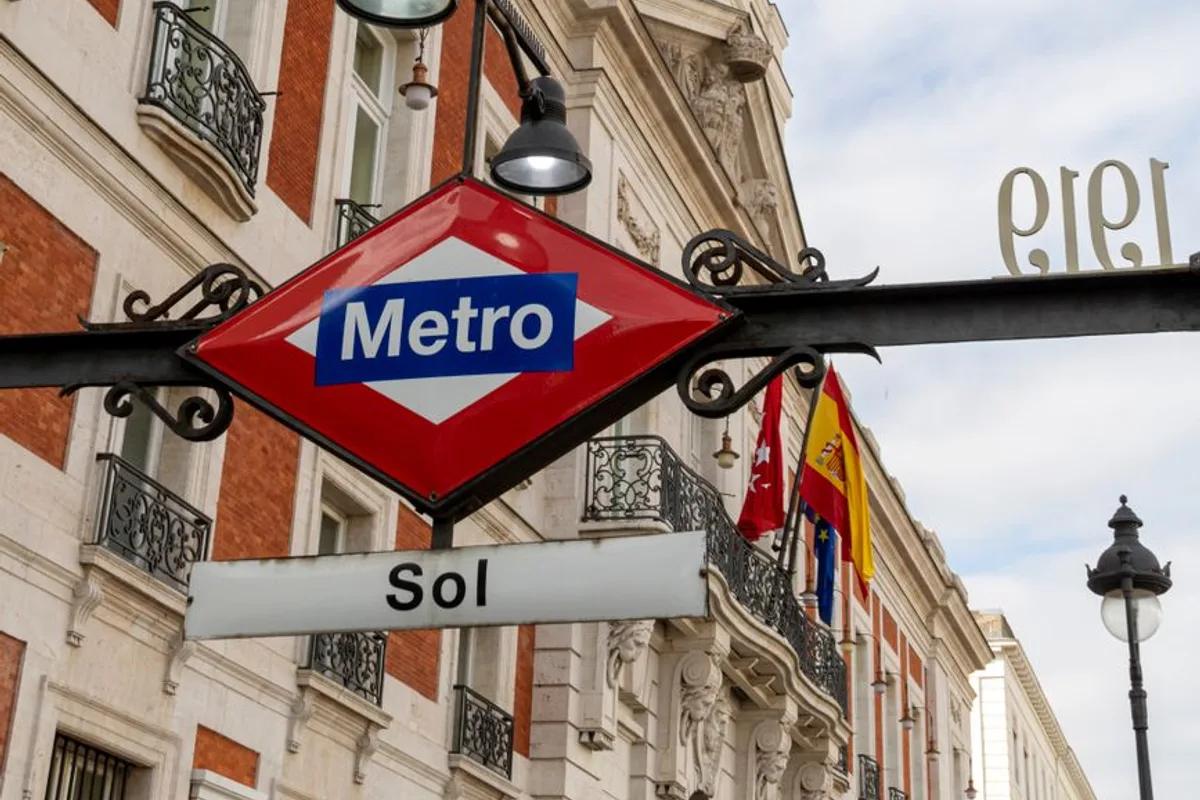
Grand, historic, touristy but essential
Sol & Centro
Madrid's kilometre zero — Puerta del Sol, the arcaded Plaza Mayor, and a dense grid of streets where every distance in Spain is officially measured from. Loud, central, and the natural starting point for any visit, even if you spend most of your time elsewhere.
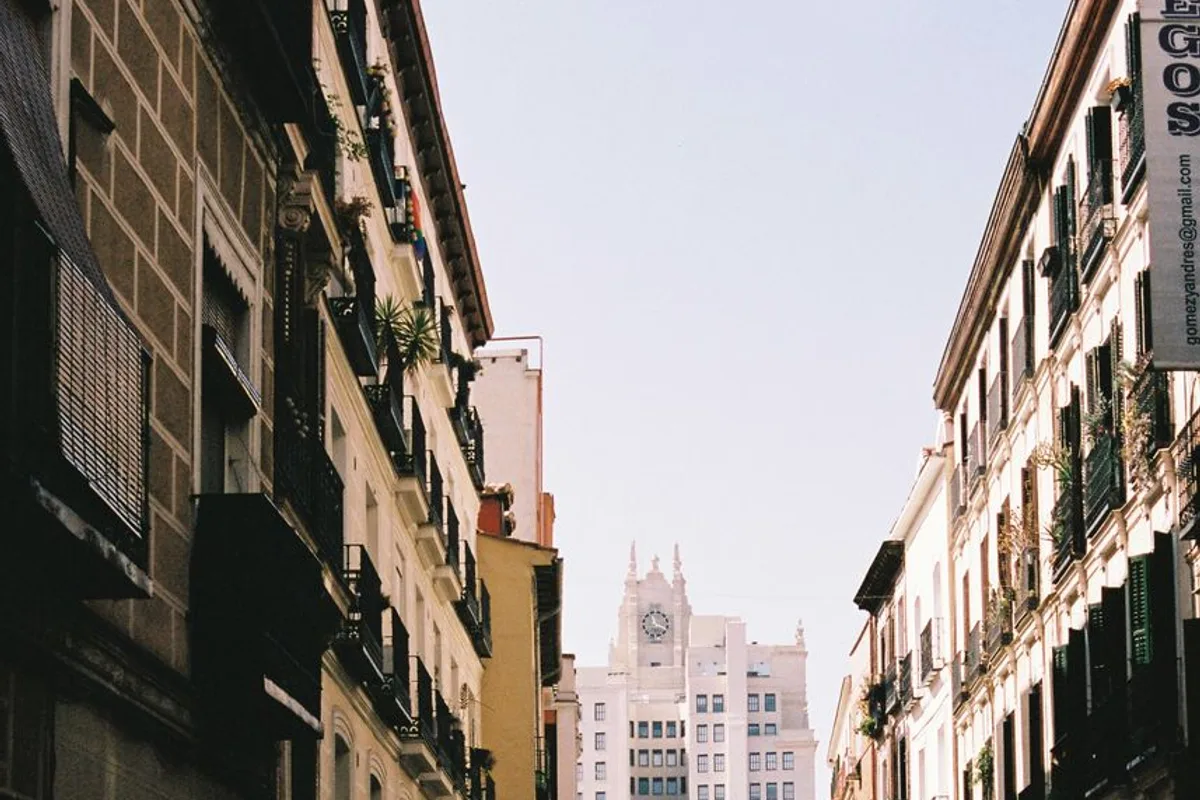
Alternative, creative, unpretentious
Malasaña
The birthplace of La Movida Madrileña — narrow 18th-century streets packed with vintage shops, natural wine bars, and record stores that never quite stopped being punk. Madrid's most self-consciously cool neighbourhood, and mostly earns it.
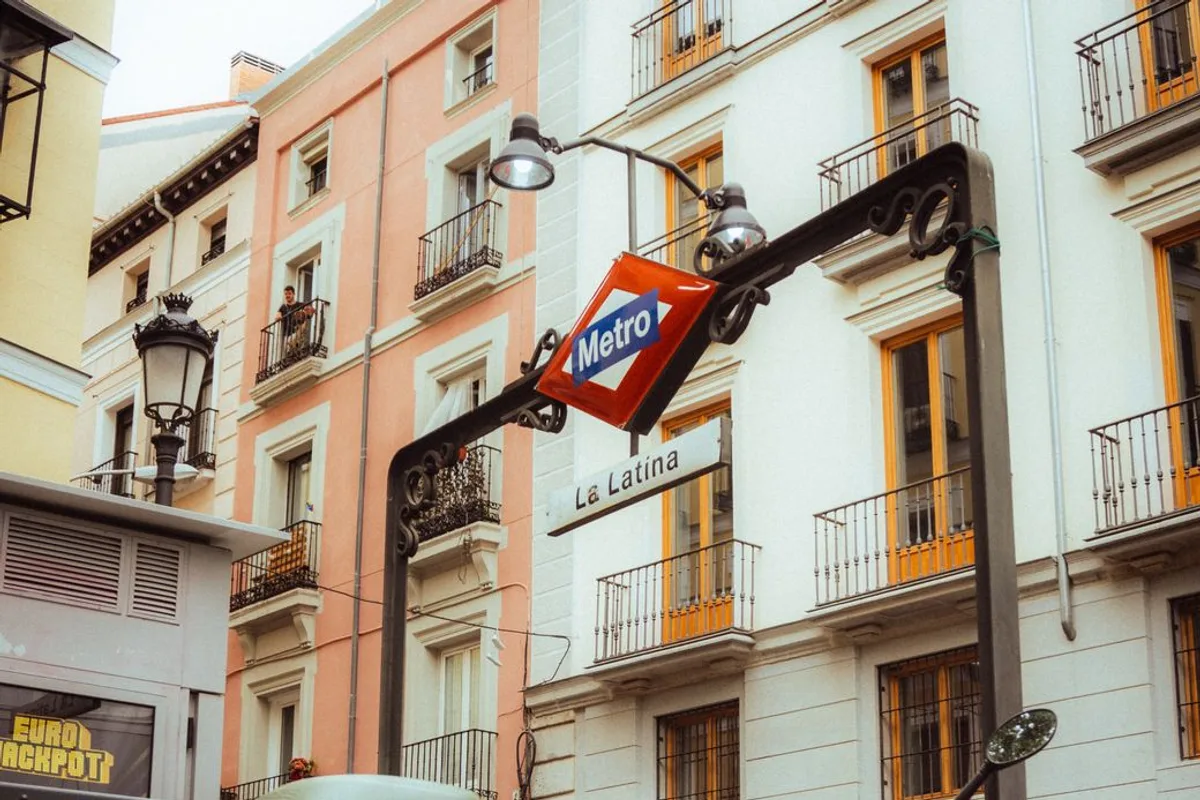
Historic, convivial, food-obsessed
La Latina
Madrid's oldest quarter and its tapas headquarters — Cava Baja alone holds more good bars per metre than almost anywhere in Spain. Sundays bring El Rastro, Europe's biggest flea market, spilling downhill toward the Manzanares.
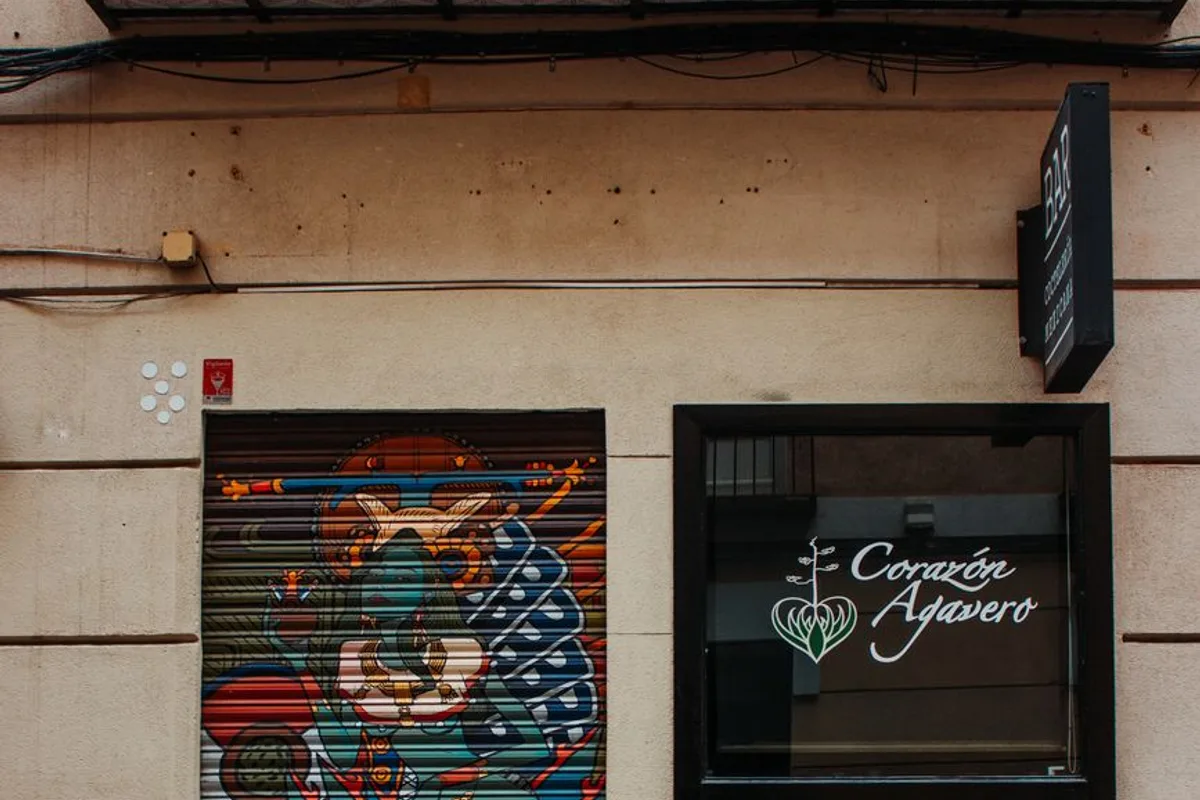
Vibrant, inclusive, stylish
Chueca
Madrid's LGBTQ+ heart and one of Europe's great gay neighbourhoods since the 1980s — rainbow flags year-round, a July Orgullo parade that shuts down the centre, and a concentration of design shops, brunch spots and late bars found nowhere else in the city.
Elegant, upscale, orderly
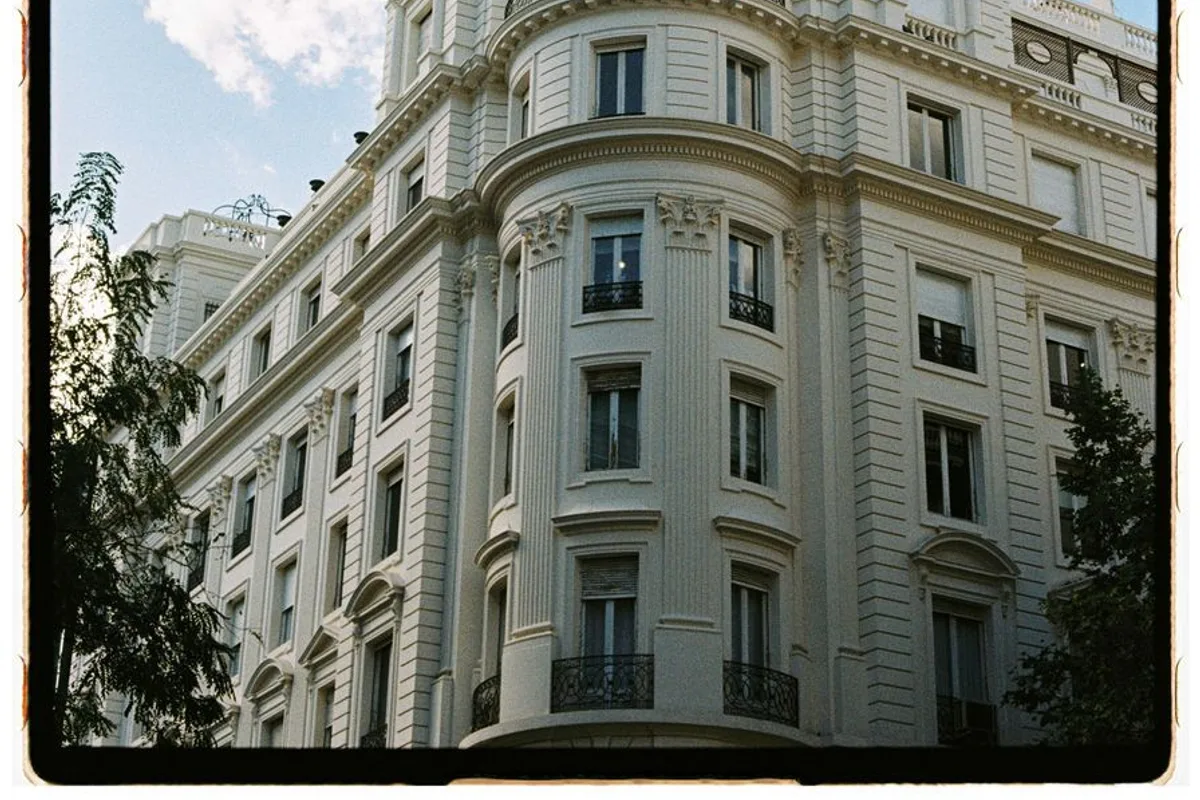
Salamanca
Grand 19th-century grid streets, Golden Mile flagship stores along Calle Serrano, and Madrid's most polished restaurant scene. Elegant, orderly, and entirely unbothered by the crowds elsewhere.
Cosmopolitan, diverse, bohemian
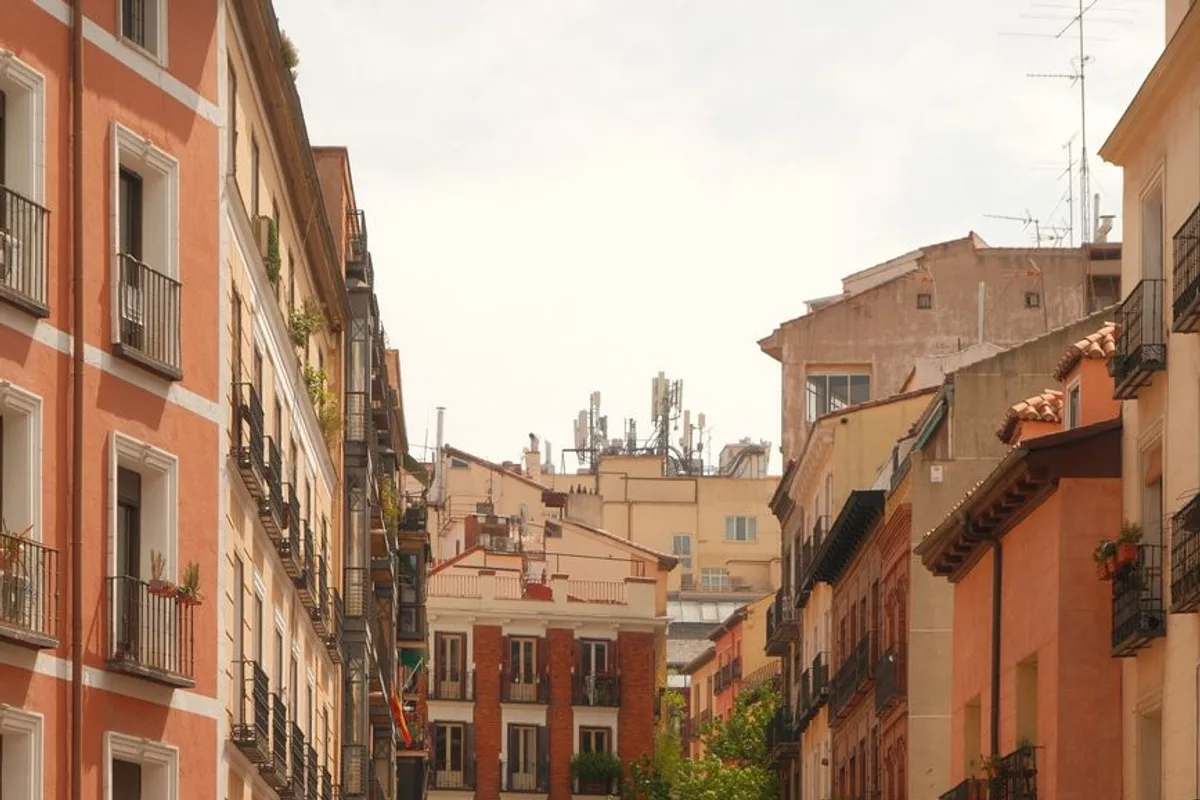
Lavapiés
Madrid's most multicultural barrio — a steep tangle of streets where Senegalese, Bangladeshi, Chinese and centuries-old castizo kitchens sit within a block of each other. The city's best street art and its most genuinely mixed crowd.
Literary, lively, bohemian
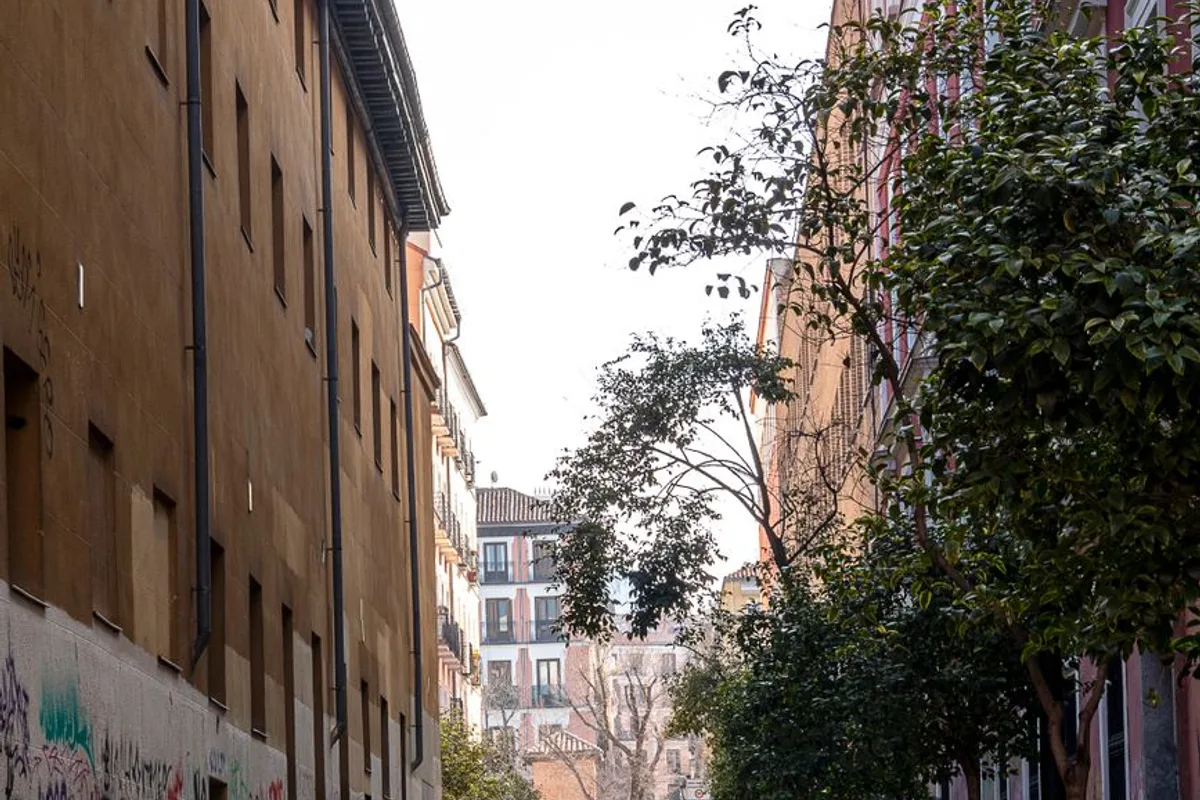
Barrio de las Letras
The old literary quarter — Cervantes and Lope de Vega are both buried within a few streets of each other here — now filled with tapas bars, tucked-away plazas, and one of the liveliest nightlife strips in the city along Calle Huertas.
Quiet, elegant, green
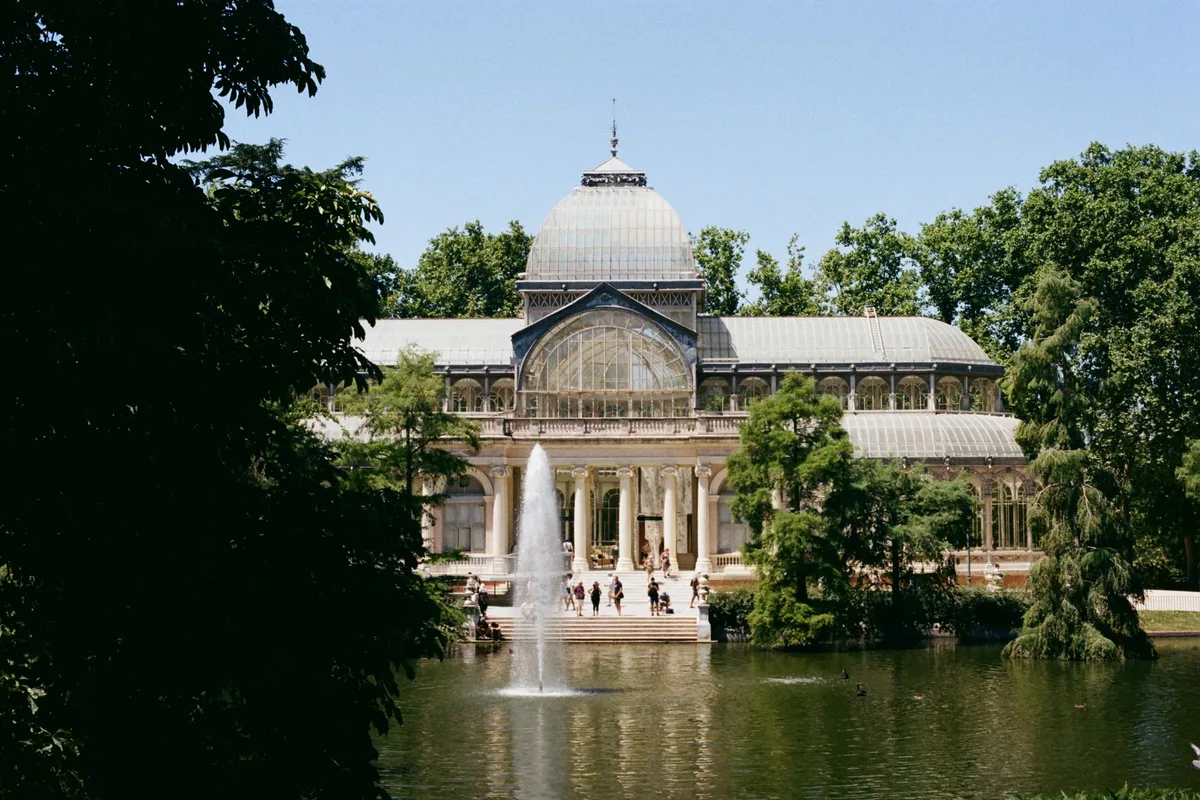
Retiro
Elegant, green, and residential — anchored by the 125-hectare park of the same name, with its rowing lake and glass Palacio de Cristal. Madrid's calmest central escape, a world away in pace from Sol just ten minutes downhill.
Industrial, creative, riverside
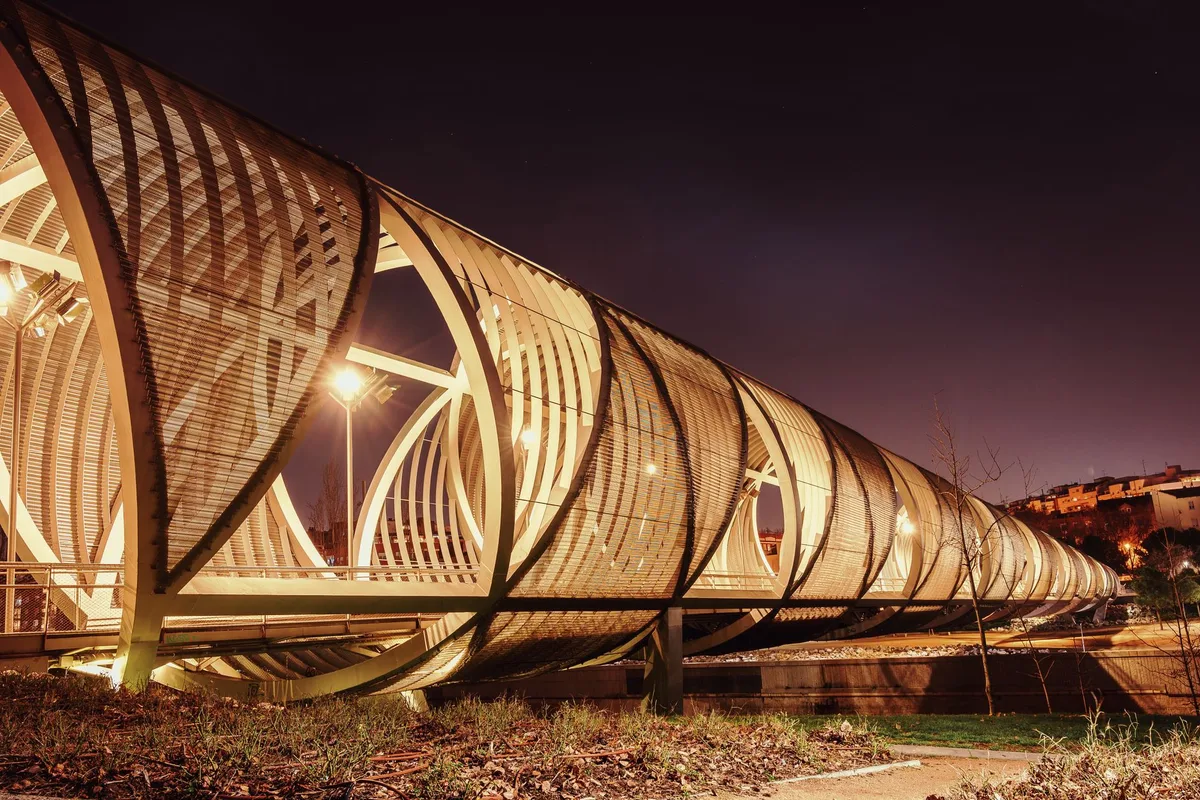
Arganzuela
Madrid's industrial-chic riverside quarter — a decommissioned 1920s slaughterhouse reborn as Matadero Madrid, one of Europe's biggest contemporary arts centres, next to the parkland and cycle paths of Madrid Río.
Authentic, gritty, community-driven
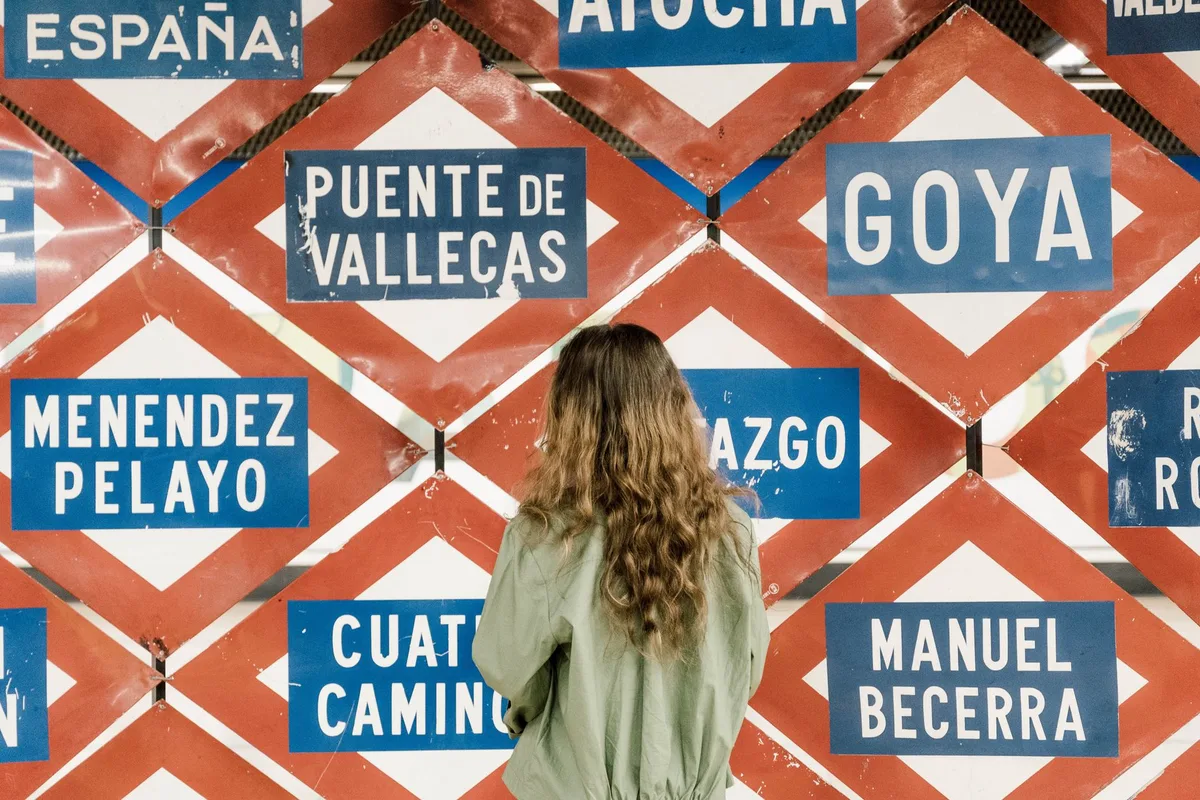
Puente de Vallecas
Working-class, fiercely proud, and covered in some of the boldest street art in Madrid — a neighbourhood built on solidarity and football rivalry (Rayo Vallecano) rather than tourism. Where real madrileños actually live, well away from the postcard centre.