All Guides/neighborhoods
neighborhoods · 2 min read
La Latina Guide: Madrid's Tapas Quarter
How to spend a day and night in La Latina — Cava Baja's tapas bars, El Rastro market, and Madrid's oldest streets.
By Get Madrid · Updated September 7, 2026
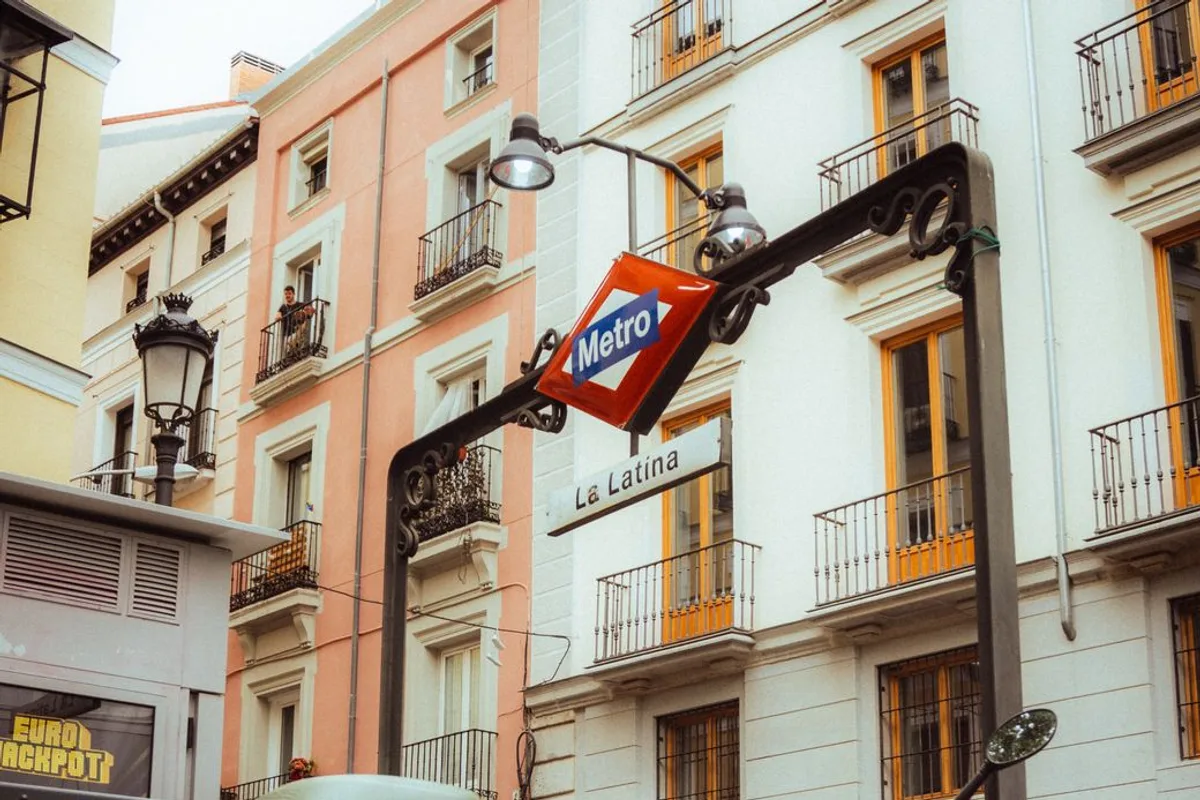
Madrid's Oldest Quarter
La Latina traces back to Madrid's medieval Muslim and Jewish quarters, and its street plan still shows it — narrow, curving lanes rather than the grid that defines newer parts of the city. What it's known for today is tapas: Cava Baja alone holds one of the densest concentrations of good bars anywhere in Spain, and locals treat a night here as a moving meal, one or two dishes per stop.
Cava Baja and the Tapas Crawl
Start at either end of Cava Baja and work your way along, ordering no more than one or two dishes per bar. Casa Lucio is the destination for huevos rotos and needs a reservation for dinner; Taberna Tempranillo is the pick for a serious wine list; Casa Amadeo (Los Caracoles) on Plaza de Cascorro is the place for snails, best combined with a Sunday morning at El Rastro next door.
El Rastro: Sunday Mornings Only
Europe's biggest flea market runs Sunday and public-holiday mornings, roughly 09:00–15:00, spilling downhill from Plaza de Cascorro through Ribera de Curtidores. Go early both for the best stock and to beat the crowds, which get genuinely dense by midday. Watch your belongings — it's a known pickpocket spot precisely because of that density.
Beyond the Bars
Basílica de San Francisco el Grande, with one of Spain's largest church domes, sits at La Latina's western edge and is easy to combine with an afternoon walk. The neighbourhood's plazas — Plaza de la Paja and Plaza de la Cebada — are quieter spots to sit with a coffee before the evening crowds arrive.
Practical Notes
Metro: La Latina (Line 5) drops you in the middle of the neighbourhood. Weeknights are calmer than weekends if you want to actually get a seat rather than stand at the bar. For a structured introduction rather than picking bars at random, a guided tapas and wine walking tour covers four or five stops with someone else doing the ordering.