All Guides/practical
practical · 4 min read
Where to Stay in Madrid: Best Areas
Which Madrid neighbourhood to stay in — Sol for first-timers, Malasaña for nightlife, Salamanca for quiet, La Latina for tapas, and what each trades off.
By Get Madrid · Updated September 9, 2026
First, the Good News
Central Madrid is genuinely compact. From Sol you can walk to the Prado in fifteen minutes, to La Latina in ten, to Malasaña in ten. Unlike London or Paris, there is no neighbourhood so far out that staying there ruins the trip — the metro is fast, cheap, and runs until around 01:30. That means the choice below is less about proximity to sights and more about what you want happening on your street at midnight.
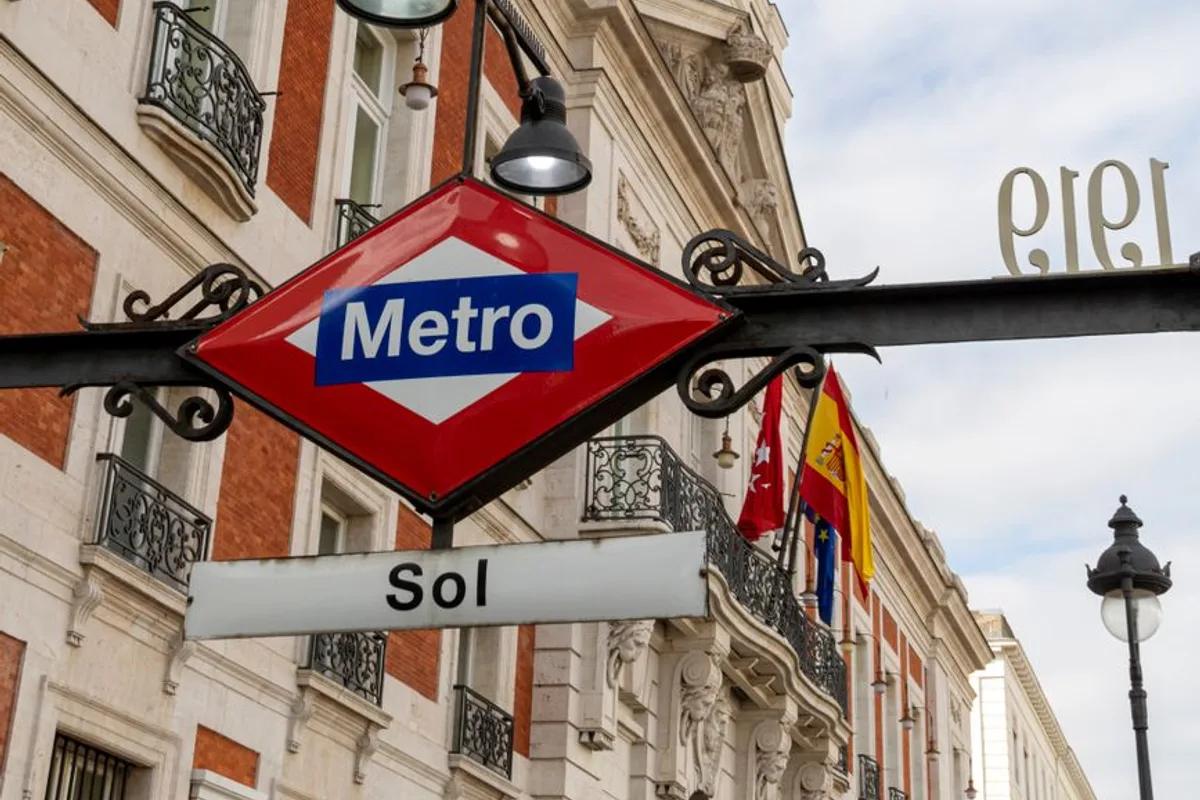
Sol & Centro: Best for First-Timers
The historic core, wrapped around Puerta del Sol and Plaza Mayor. Everything is walkable from here, the metro converges at Sol, and airport connections are straightforward.
The trade-off is noise and crowds: this is the busiest part of the city, and the streets immediately around Sol stay loud well past midnight. It also has the highest concentration of mediocre tourist restaurants in Madrid — you'll eat much better a ten-minute walk away in any direction. Pick a street set back from the main squares and ask about double glazing.
Best for: first visits, short trips, anyone who wants to walk everywhere.
La Latina: Best for Food
Madrid's oldest quarter, and its tapas headquarters. Cava Baja alone holds more good bars per metre than almost anywhere in Spain, and Sunday brings El Rastro flea market spilling downhill through the streets.
The trade-off is that the good bars are the noise: weekend nights here run late and loud, and Sunday mornings bring market crowds through the same narrow streets. Rooms are also often in older buildings — charming, sometimes without lifts.
Best for: eating and drinking, weekend visits, travellers who don't mind noise.
Malasaña & Conde Duque: Best for Nightlife
The birthplace of La Movida, still Madrid's most self-consciously cool district — vintage shops, natural wine bars, record stores, and a genuinely mixed-age crowd. Gran Vía runs along its southern edge, which puts theatres, department stores and metro links a short walk away.
The trade-off is straightforward: it's loud at night, most nights, not just weekends. Light sleepers should look at Conde Duque, the quieter western half of the same district, which keeps the atmosphere without the 03:00 street noise.
Best for: nightlife, independent shopping, longer stays with a local feel.
Salamanca: Best for Quiet & Upscale
Grand 19th-century grid streets, the Golden Mile flagship stores along Calle Serrano, and Madrid's most polished restaurant scene. It's orderly, residential, and noticeably calmer at night than anywhere in the centre.
The trade-off is price and distance — you're a metro ride or a 20–25 minute walk from the old town, and both hotels and restaurants cost more. It also empties out in the evenings compared to the centre, which some travellers find peaceful and others find dull.
Best for: quiet nights, luxury shopping, families, repeat visitors.
Retiro & Paseo del Prado: Best for Museums
Elegant and green, anchored by the park itself and within a few minutes' walk of the Prado, Reina Sofía and Thyssen. The Puerta de Alcalá sits at its edge, and mornings here start with runners in the park rather than delivery lorries.
The trade-off is that it's residential — you'll walk ten to fifteen minutes for a lively dinner, and there's less happening on your doorstep after dark.
Best for: museum-focused trips, morning walkers, quieter stays close to the centre.
Chueca & Barrio de las Letras: Best for Going Out Without Committing
Two central districts that sit between the extremes. Chueca is Madrid's LGBTQ+ heart — design shops, brunch spots and late bars, energetic but not chaotic. Barrio de las Letras, the old literary quarter, mixes tapas bars and live music along Calle Huertas with quiet side streets a block away.
Both put you within a ten-minute walk of Sol, the Prado and Gran Vía, which makes them a good compromise when you want atmosphere without staying on top of the busiest squares.
Best for: second visits, nightlife within walking distance, central stays with more character than Sol.
What to Check Before Booking
Three things matter more in Madrid than the neighbourhood label. Noise: ask which side of the building the room faces and whether windows are double glazed — this single question saves more trips than any location choice. Lifts: many central buildings are 19th-century and genuinely have none, which matters with luggage. Metro distance: anything within a five-minute walk of a station effectively puts the whole city within half an hour, so a slightly cheaper room two stops out is rarely a real compromise.
Finally, note that August empties the city — many neighbourhood restaurants close for weeks, so a stay in a residential district like Salamanca or Retiro feels considerably quieter then than the rest of the year.